
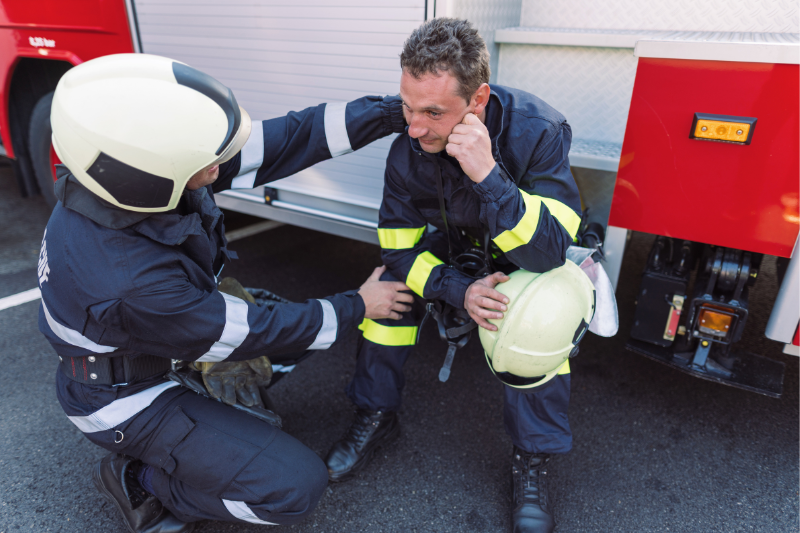
Workplace safety means protecting employees from psychological harm — such as verbal abuse, intimidation and harassment — as well as physical injury. Genuine safety covers both.
Recent media coverage has highlighted the importance of creating workplaces where employees feel both physically and psychologically safe. Across many frontline industries, workers can be exposed not only to physical aggression, but also to verbal abuse, intimidation, harassment and other behaviours that can have a significant impact on wellbeing.
When we think about Occupational Violence and Aggression (OVA), it’s common to picture physical assaults or threatening behaviour. However, workplace aggression can take many forms. Persistent verbal abuse, intimidating conduct, bullying and other inappropriate behaviours can all contribute to psychological harm and affect a person’s ability to feel safe and supported at work.
What Counts as Occupational Violence and Aggression?
OVA is any incident where a person is abused, threatened or assaulted in circumstances relating to their work — and it includes far more than physical violence. Common forms of OVA include:
- Physical assault, or the threat of it
- Verbal abuse, shouting and offensive language
- Intimidation and threatening body language
- Harassment and bullying
- Persistent or cumulative low-level aggression that wears a person down over time
It’s this last category — the steady drip of abuse that never becomes a single dramatic incident — that organisations most often overlook, even though it’s one of the most common causes of psychological harm at work.
Why Is Frontline Work So Demanding?
Frontline roles carry a higher risk of OVA because they involve constant, unpredictable contact with people who may be distressed, frustrated or in crisis.
Police, healthcare workers, local government employees, emergency responders, customer service staff and many other frontline professionals regularly work in challenging and unpredictable environments.
They may respond to distressed individuals, high-conflict situations, mental health crises or emotionally charged interactions where behaviour can escalate quickly. These roles require not only technical expertise but also the confidence and skills to communicate effectively, assess risk and respond appropriately under pressure.
A safe workplace means more than protection from physical injury. It also means fostering an environment where people are treated with dignity and respect and where unacceptable behaviour is recognised and addressed appropriately.
Is Psychological Safety an Employer’s Legal Responsibility?
Yes. Under Australia’s model WHS laws, psychological health is treated alongside physical health, and occupational violence is a recognised psychosocial hazard that employers must eliminate or minimise so far as is reasonably practicable. This is a duty of the business — the Person Conducting a Business or Undertaking (PCBU) — not something that rests on individual staff to manage on their own. Since the 2022 psychosocial regulations, this has been a positive, proactive duty: employers are expected to identify the risk of workplace aggression and put real controls in place before harm occurs. (Source: Safe Work Australia.)
How Does Training Build Safer Responses?
Effective OVA training helps employees develop practical skills to recognise early warning signs, respond confidently to challenging behaviours and reduce the likelihood of escalation.
Quality training can assist staff to:
- Recognise behaviours that may indicate increasing risk.
- Apply effective communication and de-escalation techniques.
- Set professional boundaries respectfully and confidently.
- Use situational awareness to make informed decisions.
- Know when to disengage, seek assistance or activate emergency procedures.
- Report incidents appropriately and participate in post-incident learning.
- Support colleagues following difficult or traumatic events.
These skills contribute to safer interactions for employees, clients, patients and members of the public.
Training Is Only One Part of a Safe Workplace
Training is most effective when it forms part of a broader organisational commitment to workplace health and safety.
This includes:
- clear behavioural expectations
- supportive leadership
- effective reporting systems
- timely incident review and follow-up
- access to employee wellbeing and support services
- a workplace culture built on respect, accountability and continuous improvement.
When organisations invest in both prevention and response, they create environments where people are better equipped to manage challenging situations while protecting their own wellbeing and that of those around them.
Common Misconceptions About Workplace Aggression
“If there’s no physical violence, there’s no real safety problem.”
Persistent verbal abuse, intimidation and harassment cause genuine psychological harm and are recognised psychosocial hazards — physical injury is only one part of the picture.
“Handling aggression is just part of the job in frontline roles.”
Exposure to aggression is common in frontline work, but that does not make it acceptable or unavoidable. It is a workplace hazard to be managed, not an inevitable cost of the role.
“Coping with difficult behaviour comes down to individual resilience.”
While personal skills matter, safety is a shared organisational responsibility. Relying on individual resilience alone shifts the burden onto staff and leaves the underlying risk unaddressed.
How Does Resolution Education Support Safer Workplaces?
At Resolution Education, we work with organisations across healthcare, government, education, emergency services and community sectors to build practical skills in occupational violence and aggression prevention, de-escalation and communication, and dynamic risk assessment. Our training also covers incident debriefing and staff wellbeing, so teams are supported not just during an incident but in the hours and days afterwards.
Our evidence-informed, practical training helps organisations build confidence, improve safety and create workplaces where staff feel prepared to respond effectively when challenging situations arise.
Key Takeaways
- Workplace safety covers psychological harm — verbal abuse, intimidation and harassment — as well as physical injury.
- OVA takes many forms, and persistent low-level aggression is a form of OVA.
- Under Australian WHS law, managing occupational violence is a legal duty of the employer, not the responsibility of individual staff.
- Training is most effective as part of a wider system of clear expectations, strong reporting and supportive leadership.
Frequently Asked Questions
Is psychological harm really considered part of workplace safety?
Yes. Under Australia’s model WHS laws, the definition of “health” covers both physical and psychological health. This means employers have a duty of care that extends to protecting staff from psychosocial hazards, including workplace aggression, verbal abuse and intimidation — not only from physical injury.
What’s the difference between physical and psychological workplace safety?
Physical safety focuses on preventing bodily injury. Psychological safety focuses on protecting mental wellbeing — ensuring staff aren’t harmed by exposure to abuse, intimidation, harassment or the ongoing stress of high-conflict interactions. Genuine workplace safety addresses both, because psychological harm can be just as serious and lasting as a physical injury.
Can verbal abuse alone cause lasting harm?
Yes. Persistent verbal abuse and intimidation are recognised psychosocial hazards. Even without any physical contact, repeated exposure to aggression can contribute to anxiety, stress, burnout and reduced wellbeing, and can affect a person’s ability to feel safe at work over time.
Whose responsibility is it to manage workplace aggression?
Managing the risk of occupational violence is primarily the employer’s responsibility. Under WHS law, the business (as the PCBU) must eliminate or minimise psychosocial risks so far as is reasonably practicable. Training equips individual staff with skills, but it does not shift the underlying duty away from the organisation.
What industries most benefit from OVA training?
Any workplace with regular public contact benefits, but the need is greatest in frontline sectors such as healthcare, community services, local government, emergency services, education and customer-facing roles, where staff routinely manage distressed, frustrated or high-conflict interactions.