
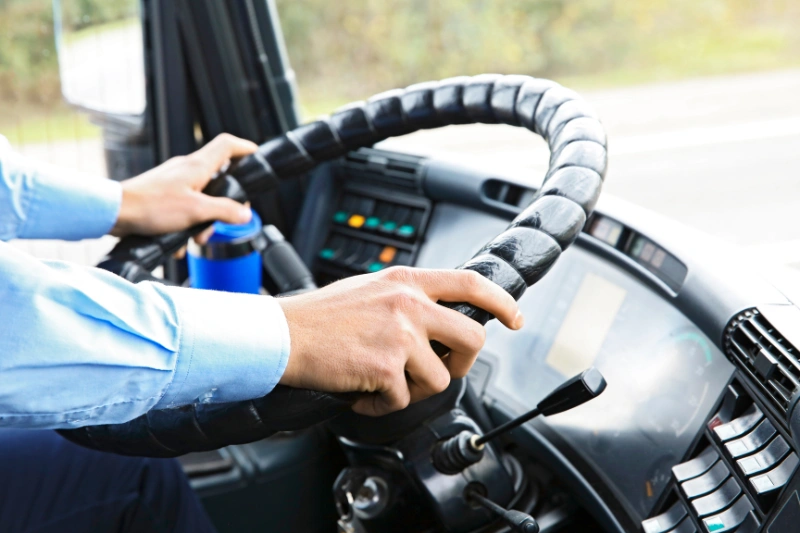
Being a bus driver in Australia today is nothing like it was a decade ago. Increasingly, drivers are not only navigating busy roads but also facing rising levels of verbal and physical aggression.
Rising Incidents of Aggression
In Queensland alone, union data and government statistics show a startling jump in attacks on drivers—both verbal and physical—in recent years.
Practical Solutions for Safety
When frontline staff are at risk, the natural instinct is to ask, “What can actually be done?” The answer: skills, preparation, and strong workplace culture—which is exactly what OVA (Occupational Violence and Aggression) training with providers like Resolution Education delivers. Resolution Education’s programs are tailored for the real, high-pressure scenarios bus drivers face daily.
The ADP Framework: Practical Training in Action
Our approach isn’t about just handing out theory. Using the ADP Framework—Awareness, De-escalation, Protection—Resolution Education zeroes in on practical tools: recognising warning signs of agitation early, using body language and communication techniques to diffuse situations, and knowing “what to do next” to keep themselves and passengers safe.
Practical, hands-on roleplay and scenario work mean drivers walk away not just knowing what to do, but actually able to do it in the moment. This is essential, considering the intensity of incidents – with several drivers reporting direct assaults, including being spat on, punched, or threatened with weapons.
The New Normal and the Role of Training
Media attention spikes after major incidents, but the tough truth is—these acts of aggression are becoming the new normal for many bus drivers. OVA training changes the game. With our training programs, drivers learn to spot trouble before it escalates, stay calm under pressure, and follow protocols that protect everyone on board.
Drivers report increased confidence, less anxiety, greater teamwork, and lower turnover—crucial gains in an industry battling chronic staffing and safety issues.
Why Invest in OVA Training?
Why should bus operators and councils invest in this kind of training?
Not just because it’s a WHS or legal requirement—though it absolutely is—but because without it, lives and careers are on the line.
Resolution Education’s training—a blend of hard-won expertise, legal insight, and hands-on skills—gives bus drivers back some control in an unpredictable world.
Take Action for Safer Workplaces
With OVA on the rise, the time for proactive, tailored training is now. Every front-line worker deserves to finish their shift as safely as they started it—and that’s why investing in expert OVA training like Resolution Education’s genuinely matters.
Contact us today to find out more.
Frequently Asked Questions
How is de-escalation training tailored specifically for Australian bus drivers?
Resolution Education designs de-escalation and OVA training around the real situations bus drivers in Australia face, such as passenger aggression, fare disputes, and crowding at peak times. Training content reflects local conditions, including Queensland data showing rising verbal and physical attacks on drivers, so examples and scenarios feel realistic and immediately relevant.
What kinds of aggressive behaviours are bus drivers trained to manage?
Bus drivers learn to handle a spectrum of aggression, from verbal abuse and harassment through to spitting, physical assault, and threats involving weapons. The program focuses on recognising early warning signs of agitation and intervening before behaviour escalates into higher-risk incidents.
How does the ADP Framework apply in a busy bus environment?
The ADP Framework (Awareness, De-escalation, Protection) is taught using examples drawn directly from bus operations, like crowded routes, late services, and disputes over tickets. Drivers practise staying aware of passenger moods, using calm communication and body language to defuse tension, and applying clear protection steps if a situation becomes unsafe for them or passengers.
What practical skills will drivers be able to use immediately after the training?
After training, drivers can better scan the bus for early signs of agitation, use specific phrases and tone to calm upset passengers, and implement clear safety protocols when an incident escalates. They also gain experience through roleplays and scenarios, so the techniques feel natural rather than theoretical when real situations occur on their routes.
How does this training help reduce stress and anxiety for bus drivers?
Many drivers report feeling more confident and less anxious once they know how to identify risks early and have a step-by-step approach to managing aggression. Having rehearsed responses to difficult situations helps drivers feel more in control, which can reduce overall job stress and the emotional impact of previous negative incidents.
Can the training be adapted for specific bus routes or depots with higher risk?
Yes, Resolution Education can tailor scenarios and examples to particular regions, depots, or routes where aggression has been more frequent. By aligning training with local incident patterns, drivers see their real challenges reflected in the learning, making it easier to transfer skills straight back into their daily work.
How does de-escalation training support legal and WHS obligations for bus operators?
The training helps operators demonstrate they are taking practical steps to manage occupational violence and aggression risks, which is a key WHS responsibility. By teaching structured awareness, de-escalation, and protection strategies, organisations can show they have systems in place to reduce harm and support staff safety.
What makes Resolution Education’s approach different from generic conflict management courses?
Rather than delivering general theory, Resolution Education focuses on the specific context of occupational violence and aggression faced by bus drivers. The ADP Framework, combined with hands-on, scenario-based practice, gives drivers practical tools they can use immediately in the high-pressure, unpredictable environment of public transport.